The odd aches, stiffness, and swelling in the wrists, fingers, or feet, if you have ever experienced them, have made you wonder what could be going on. Maybe it happened gradually, or maybe all at once. I am sure you have heard about the term tenosynovitis in your quest for an answer. But what the heck is tenosynovitis, and how can something as seemingly gentle as a massage treat it? But what exactly goes on within the body during this condition, and how can massage therapy find a place in relief?
What is tenosynovitis?
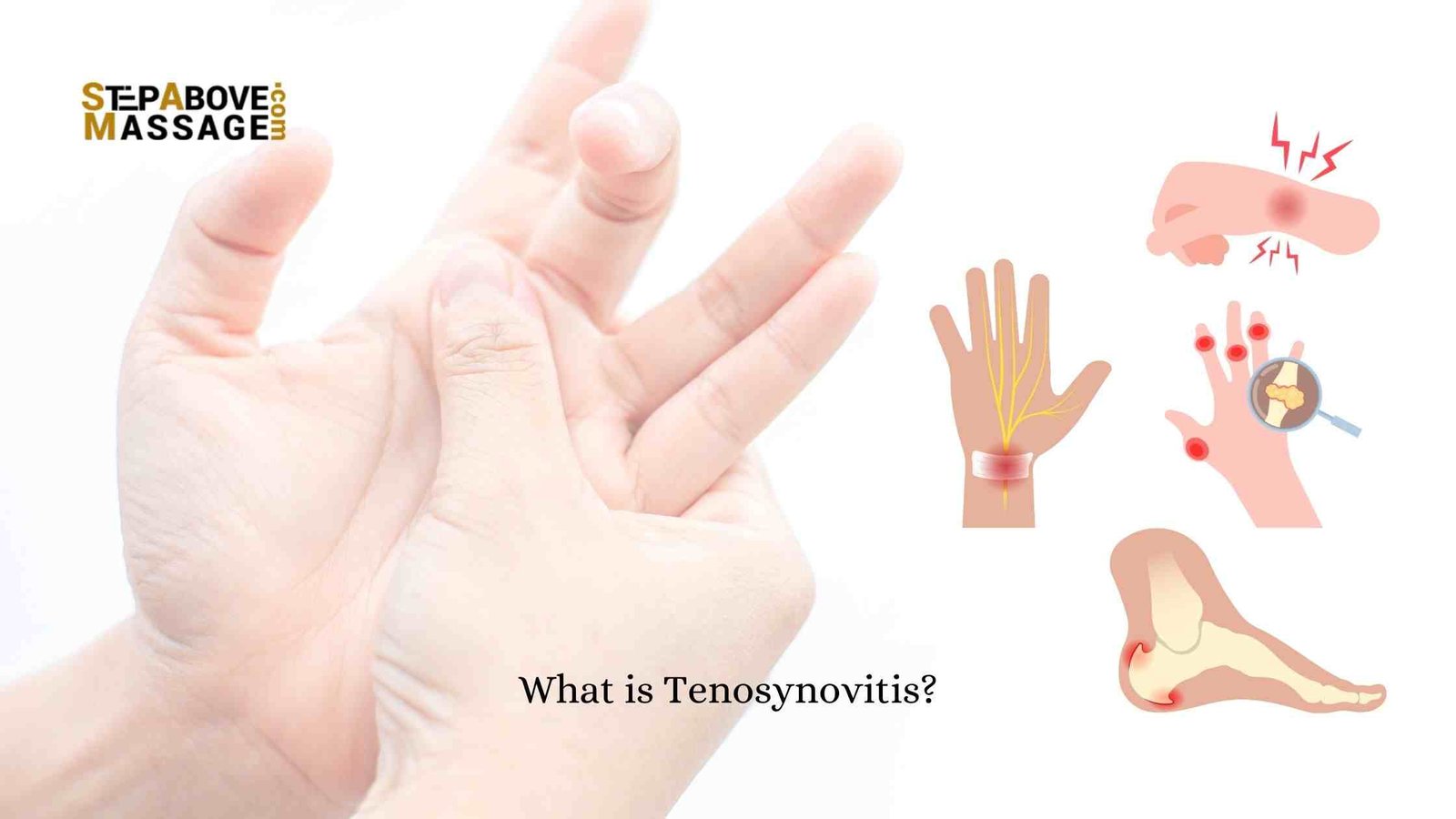
While tenosynovitis may sound like some big, scary word, it isn’t all that big and scary. Inflammation of the synovial sheath—it’s the protective covering that surrounds a tendon. Tendons are strong connective tissues that attach muscles to bone, and for that matter, they are at work every time we stir. It can inflame, and if this happens, it leads to pain, tenderness, or limited movement.
When any of the tendons in your body become inflamed and swollen, this is what we call tenosynovitis. The outcome of this swelling can at times be very painful, hence making it difficult for one even to bear weight on that foot.
Symptoms may be experienced anywhere there are so many tendons bunched close to each other, such as in the wrist, ankle, hand, or foot. Now, tenosynovitis may occur because of many other factors. This may be due to overuse—for example, repeated movements either at work or when engaging in sports. Inflammation can also be caused by other injuries, infections, or disorders of the joints, such as arthritis.
Anyway, tenosynovitis hurts like hell. When it affects your foot or your ankle, you may have difficulty doing these basic, everyday things sitting down at a computer and typing; I mean, this is an issue holding a cup of coffee or when you walk. The good news is there are treatments in existence, massage therapy included!
How Massage Can Help with Tenosynovitis
You might be thinking a massage cannot possibly help with something like tenosynovitis. Massage often invokes an image of relaxation and stress reduction. Now, these are all true; massage is just that and a whole lot more, especially with physical problems like inflammation. Massage enhances circulation, loosens the muscles that are cramped up, and decreases muscle tension.
- Massage to areas affected by tenosynovitis: One of the key mechanisms through which massage can be beneficial when applied to areas affected by tendonitis is reduction in inflammation. Inflammation is central to tenosynovitis, and massage can help decrease it. Homoeopathy has excellent scope and remarkable performance in certain areas, whereas allopathy responds instantly to critical conditions, but surgery may be necessary for some other treatments. Eventually, this can minimize inflammation.
- Pain Relief: One of the biggest reasons you would want to get treatment for tenosynovitis is to ease your pain. This irritation is what causes the soreness you feel, and it could be an inflamed tendon sheath. Massage can help the muscles around the tendon to relax. As you relax, the tension will release, and there won’t be as much pressure on the tendon, causing the pain to decrease.
- Tenosynovitis limitations Mobility: The inflammation of tenosynovitis limits mobility. You might avoid some activities or feel stiff when you want to move. By stretching and loosening those areas gently, you slowly restore your range of motion over time. This is vital, as the more mobile you are, the faster your body can heal.
- Healing Massage for Recovery: Healing massage doesn’t only address symptoms but can actively help your body to heal. Massage: This helps increase circulation to the damaged tissues, thereby bringing necessary nutrients. This means that the sheath and tendons will repair the inflammation in a much faster manner.
- Releasing Tension in Other Areas: Sometimes when one part of the body is injured or inflamed, other areas can be overused to compensate, which could lead to tension or stress in unrelated parts of the body.
For example, if you have a sore wrist, you may begin to use your shoulder or upper arm more. The kneading of your muscle can help alleviate this secondary tension to allow other sections of the body to move back into place and relax.
Types of Massage for Tenosynovitis
Not every massage is created equal; rather, some are best put over others in the case of tenosynovitis. The following are common types of massages that work well for this condition:
Swedish Massage
Swedish massage consists of all strokes in light and flowing motions. This will be beneficial in the early stages of tenosynovitis when the area is too sensitive for deep pressure. A Swedish massage may improve circulation and reduce muscle tension without further discomfort.
Deep Tissue Massage
Deep tissue massage can seek out the muscles and tendons more directly as the condition improves. Deep tissue massage incorporates firm pressure into the skin to help loosen the knots and release tension that builds up. This may be especially helpful if you have been compensating with other muscles because of pain in an affected area.
Myofascial Release
Myofascial release refers to the method applied to the connective tissues of your muscles. In cases where such muscles have tightened up from overwork or inflammation, this technique would loosen them and relax tense muscles.
Trigger Point Therapy
These are points in your muscles that remain firm but radiate pain to several parts. For tennosynovitis in the case of continuous tension, trigger points might develop. This technique tries to find such points and tries to work on releasing them to relieve pain.
Other Treatment Options for Tenosynovitis
Massage can indeed help in the treatment of tenosynovitis, but one must be taken through the fact that it normally forms a part of numerous treatment processes. Resting the area, applying ice to reduce swelling, and using anti-inflammatory medication are common ways to address this.
You may also be advised to go for physiotherapy, which would help get your strength and flexibility back into the affected area. In worse cases, the doctor would recommend injections of corticosteroid medication or surgery to resolve the inflammation.
However, for many people, rest, proper stretching, and massage are often all that is needed to make a big difference in managing tenosynovitis without recurrence.
Preventing Tenosynovitis
Once you have had tenosynovitis, with its pain and possible temporary limitation, you will probably want to avoid a recurrence as much as possible. Fortunately, there are some precautions you can take that may reduce your risk of developing it.
Take Breaks
If your work or hobby involves lots of repetition, take regular breaks. Stretch your hands, wrists, and arms to give your tendons time to rest.
Build Your Muscles
Building strength in the muscles around your tendons will also help ward off overuse injuries. Depending on the specific area of possible tenosynovitis, you can focus on exercises that strengthen your wrists, hands, and ankles.
Practice proper posture.
In this respect, poor sitting posture may lead to undue stress on the tendons because of prolonged sitting at a desk. Make sure your workstation is designed ergonomically, and practice good posture when working to minimize strain.
Listen to Your Body
And if you start to feel the pain or stiffness of your tendons, do not neglect them. Rest the area and spoil yourself with a massage to work out tension, helping the area to heal before inflammation worsens.
The good news about tenosynovitis, although painful and limiting, is that there are some effective ways of managing and treating it. Massage treatment is a natural, non-invasive treatment that can bring relief by reducing inflammation, relieving pain, improving mobility, and promoting healing.
Massage can be one option worth considering in case of tenosynovitis since this would be a quite relaxing and therapeutic option, which will not only help your symptoms existing but also guard against recurrence of the condition.
Of course, it is always best to speak with your doctor or some other qualified health professional before starting any new treatment, especially if you have chronic symptoms or ones that are severe. However, massage is one gentle yet powerful intervention for many to help alleviate the pain and stiffness resulting from tenosynovitis.
Paying attention to your body, listening to what your body is telling you, and availing yourself of treatments such as massage will enable you to recover sooner and return to the activities you enjoy without pain.